
Table of Contents
ToggleIn a world where the latest gadget often comes with a side of guilt, sustainable technology solutions are here to save the day—and the planet. Imagine a future where your smartphone doesn’t just make calls but also helps reduce your carbon footprint. Sounds like a sci-fi movie, right? Well, it’s happening now!
Overview of Sustainable Technology Solutions
Sustainable technology solutions focus on reducing environmental impacts while promoting efficiency. These innovations often integrate renewable energy sources like solar and wind power to replace fossil fuels in various applications. Energy-efficient appliances greatly diminish energy consumption in households, contributing to lower utility bills and reduced carbon footprints.
Waste management technologies, such as recycling systems, help minimize landfill contributions by repurposing materials. Smart technologies enable optimized resource usage, leading to reduced waste and lower emissions. Companies leverage sustainable practices, including circular economy principles, which emphasize reusing materials rather than discarding them.
Transportation also benefits from sustainable innovations. Electric vehicles (EVs) offer a greener alternative to gasoline-powered cars, reducing greenhouse gas emissions significantly. Public transportation systems are becoming more eco-friendly through the adoption of electric buses and trains.
In agriculture, precision farming techniques utilize advanced sensors and data analytics. These tools empower farmers to minimize water and fertilizer use, leading to more sustainable food production methods. Building technologies, such as green roofs and energy-efficient designs, further enhance sustainability in urban environments.
Many organizations embrace these technologies due to growing awareness of climate change. Individuals increasingly seek eco-friendly products that align with their values. Sustainable technology solutions present viable paths towards a healthier planet, improving both efficiency and sustainability in diverse sectors.
Benefits of Sustainable Technology Solutions
Sustainable technology solutions offer a variety of benefits that advance both environmental health and economic growth. By embracing these innovations, individuals and organizations contribute to a more sustainable future.
Environmental Impact
Sustainable technology significantly reduces the environmental footprint. It lowers carbon emissions through renewable energy sources like solar and wind power. Energy-efficient appliances cut down overall energy consumption and decrease utility bills. Advanced waste management technologies minimize landfill waste, promoting recycling efforts. Furthermore, smart technologies enhance resource optimization, leading to reduced waste and emissions. Each of these elements works together, fostering a healthier planet for all.
Economic Advantages
Sustainable technology solutions drive economic growth while promoting environmental stewardship. Lower energy consumption translates to decreased operational costs for businesses and households. Electric vehicles (EVs) offer savings on fuel and maintenance compared to conventional cars. Moreover, precision farming techniques improve crop yields, ensuring food security while conserving resources. Urban development benefits as green buildings attract investments due to long-term sustainability. These economic advantages position sustainable technology as a viable choice for all sectors.
Types of Sustainable Technology Solutions
Sustainable technology solutions encompass various applications that enhance environmental health across multiple sectors. Key areas include renewable energy technologies, waste management innovations, and sustainable agriculture practices.
Renewable Energy Technologies
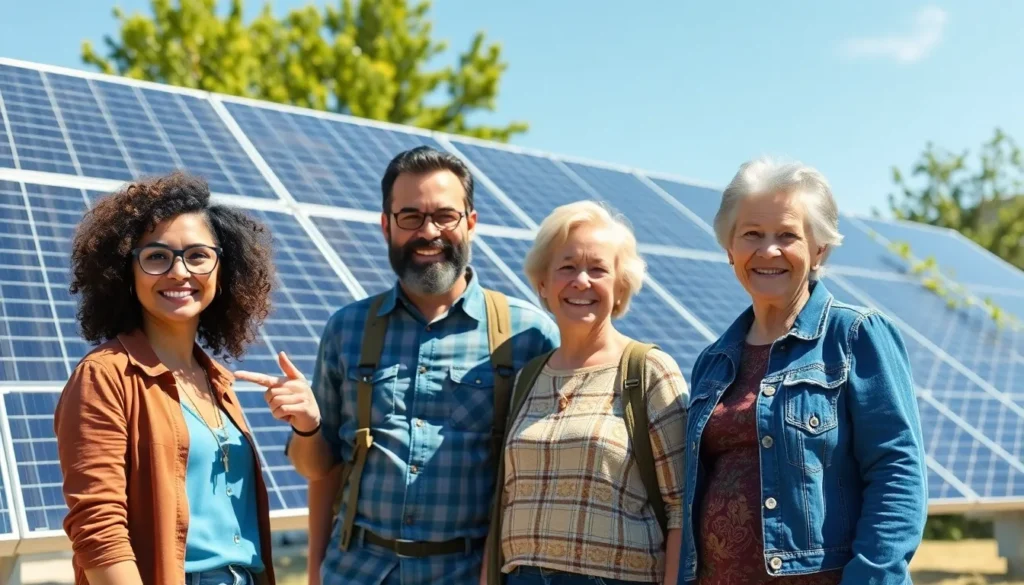
Renewable energy technologies enable the transition from fossil fuels to cleaner alternatives. Solar panels harness sunlight for electricity, while wind turbines capture wind energy efficiently. Geothermal systems use heat from the Earth, providing a sustainable heating source. Hydropower, utilizing flowing water, remains another vital option. These innovations significantly reduce carbon emissions, promote energy independence, and lower utility costs for consumers. Furthermore, governments and businesses increasingly invest in renewable infrastructure, supporting a larger shift toward a sustainable energy future.
Waste Management Innovations
Innovative waste management technologies play a crucial role in minimizing landfill waste. Recycling programs encourage the repurposing of materials, reducing environmental impact. Smart waste bins equipped with sensors optimize collection routes, increasing efficiency. Composting technologies transform organic waste into valuable fertilizer, promoting circular systems. Biodegradable materials are now being developed to replace conventional plastics. By implementing these advancements, communities can enhance recycling rates, decrease pollution, and conserve natural resources, fostering a cleaner environment.
Sustainable Agriculture Practices
Sustainable agriculture practices focus on efficient resource use and environmental preservation. Precision farming employs data analytics and sensors to optimize water, fertilizer, and pesticide applications. Crop rotation enhances soil health and biodiversity while reducing dependency on chemical inputs. Organic farming methods prioritize natural processes, minimizing environmental harm. Vertical farming systems use significantly less land and water while producing more food in urban settings. Implementing these practices contributes to food security, protects ecosystems, and cultivates healthier communities.
Challenges in Implementing Sustainable Technology Solutions
Implementing sustainable technology solutions faces several significant challenges.
Financial Barriers
Limited financial resources hinder many organizations from adopting sustainable technologies. High upfront costs for renewable energy systems and energy-efficient appliances deter investment. Many small businesses struggle to allocate funds, impacting their ability to pursue eco-friendly initiatives. Return on investment for some sustainable technologies can take years, further complicating financial decisions. Innovative financing options, such as grants and low-interest loans, can alleviate some of these concerns. Businesses that invest in sustainable technologies often prioritize long-term savings, but initial expenses remain a key obstacle.
Regulatory Issues
Navigating regulatory requirements presents additional challenges for sustainable technology implementation. Complex compliance processes can slow down project timelines, with varying regulations across regions complicating matters. Companies must stay informed about shifting policies that impact sustainable practices. Some regions lack clear guidelines, making it difficult for organizations to pursue innovations. Inconsistent regulations may lead to increased costs, as companies invest time and resources into understanding requirements. Collaborating with policymakers can help streamline regulations, ensuring that sustainable technology solutions receive the support they need.
Future of Sustainable Technology Solutions
Innovations in sustainable technology aim to reshape numerous industries. Companies invest in renewable energy technologies like solar panels and wind turbines, making a significant impact on carbon emissions. Electric vehicles dominate transportation discussions, serving as a cleaner alternative while reducing dependence on fossil fuels. Public transportation systems are also evolving, with electric buses and trains enhancing eco-friendliness.
Waste management technologies are transforming community recycling efforts. Smart waste bins track disposal habits, boosting recycling rates. These advancements minimize pollution and divert waste from landfills, contributing to cleaner environments. Precision farming techniques utilize sensors and data analytics for efficient resource use, supporting sustainable food production in agriculture.
Energy-efficient appliances regularly improve everyday living. These gadgets not only cut down energy consumption but also lead to significant savings on utility bills. Urban development benefits from technologies like green roofs, which enhance overall sustainability while attracting investment due to their long-term efficiency.
Challenges remain in adopting these sustainable solutions. High upfront costs often deter organizations from transitioning to greener technologies. Complex regulatory frameworks slow project implementation, making it crucial to seek innovative financing options. Policymaker collaboration can facilitate smoother integration of these advancements.
Awareness of climate change among consumers is increasing. As individuals search for eco-friendly products, sustainable technology solutions resonate more than ever. This trend underscores the importance of focusing on efficiency and reducing the environmental footprint in various sectors. Embracing these technologies promotes not only a healthier planet but also economic growth through operational cost savings and improved resource management.
Sustainable technology solutions are paving the way for a greener future. By integrating renewable energy and promoting efficiency, these innovations not only reduce environmental impact but also enhance economic growth. As individuals and organizations embrace these advancements, they contribute to a more sustainable world.
The shift towards eco-friendly practices is evident across various sectors including transportation, agriculture, and urban development. With ongoing challenges in adoption, collaboration and innovative financing can help overcome barriers. Ultimately, the commitment to sustainable technology reflects a growing awareness of climate change and the desire for a healthier planet.