

In a world where gadgets seem to multiply faster than rabbits, the question arises: what’s the secret sauce behind sustainable technology? It’s not just about saving the planet; it’s about making tech work for us without leaving a carbon footprint the size of Bigfoot. Imagine a future where your smartphone doesn’t just connect you to friends but also helps keep the polar bears cozy.
Sustainable technology blends innovation with eco-friendliness, showing that being green doesn’t mean sacrificing convenience or style. From solar-powered devices to energy-efficient appliances, it’s all about creating solutions that are kind to Mother Earth while still making life a little easier. So buckle up and get ready to explore how these clever creations are revolutionizing the way we live, work, and play—without turning the planet into a giant landfill.
What Is Sustainable Technology?
Sustainable technology refers to tools and practices designed to minimize environmental impact while enhancing quality of life. This concept encompasses innovations that promote energy efficiency, renewable energy sources, and sustainable resource management. Examples include solar panels, which harness sunlight for power, and electric vehicles that reduce greenhouse gas emissions.
Developments within sustainable technology often target waste reduction. Innovations such as biodegradable materials offer alternatives to traditional plastics, decreasing pollution and waste in landfills. Smart appliances play a crucial role as well, optimizing energy use and decreasing consumption.
Another significant aspect involves the integration of technology into everyday life. Devices that help individuals monitor their carbon footprints encourage responsible consumption habits. Mobile applications can track energy usage and provide tips for greener living.
The alignment with sustainability principles is evident in many corporate strategies. Organizations leverage sustainable technology to meet environmental goals, attract eco-conscious consumers, and enhance brand reputation. Increasingly, startups focus on developing solutions that address climate change and promote ecological balance.
Sustainable technology contributes positively to the economy. Investing in clean energy and environmentally friendly products opens up new markets and creates jobs. As awareness of environmental issues rises, demand for sustainable innovations will continue to grow.
Simply put, sustainable technology integrates convenience and environmental responsibility. By prioritizing sustainable practices, society can embrace a more balanced relationship with the planet while enjoying modern conveniences. This evolution marks a significant shift towards achieving long-term sustainability goals.
Key Principles of Sustainable Technology
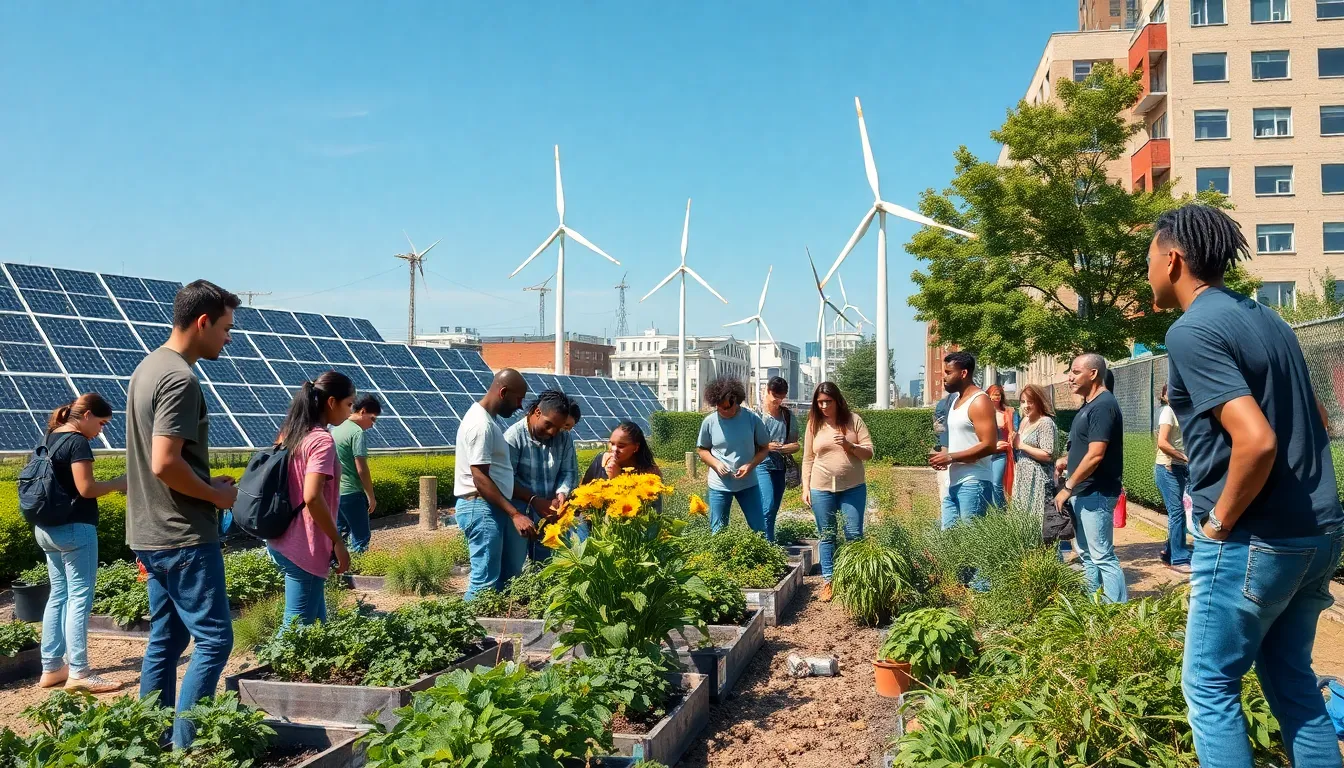
Sustainable technology focuses on reducing environmental harm while advancing societal well-being. Key principles encompass environmental impact, economic viability, and social responsibility.
Environmental Impact
Minimizing resource depletion defines the approach to sustainable technology. Tools such as solar panels and wind turbines enable cleaner energy production. They contribute to lower greenhouse gas emissions, promoting a healthier planet. Biodegradable materials also play a vital role by reducing landfill waste. Monitoring and managing carbon footprints enhances awareness and encourages eco-friendly practices. Innovations like energy-efficient appliances optimize resource use, allowing individuals to reduce energy consumption without sacrificing convenience.
Economic Viability
Sustainable technology fosters economic growth by creating new industries and job opportunities. Investing in clean energy systems leads to long-term savings on utility bills. Businesses that adopt eco-friendly practices often attract eco-conscious consumers, increasing their market share. Strategies like circular economy models promote resource reuse, enhancing profitability while lessening environmental burdens. Furthermore, government policies supporting sustainability initiatives stimulate innovation, reinforcing economic resilience.
Social Responsibility
Emphasizing social equity forms a core aspect of sustainable technology. Fair labor practices and responsible sourcing contribute to ethical production processes. Educational programs raise awareness about sustainability, encouraging community involvement. Companies committed to transparency strengthen their brands by building trust with consumers. Additionally, accessible green technologies improve quality of life for diverse populations. Fostering collaboration among stakeholders ensures a shared commitment to sustainability goals, benefiting future generations.
Examples of Sustainable Technology
Various technologies illustrate the principles of sustainability in different sectors. These innovations significantly contribute to environmental preservation while enhancing everyday functionality.
Renewable Energy Solutions
Solar panels convert sunlight into electricity, reducing reliance on fossil fuels. Wind turbines harness wind energy, providing a clean alternative to traditional power sources. Biomass energy utilizes organic materials, generating renewable power while minimizing waste. Geothermal systems tap into the Earth’s heat, creating an efficient heating and cooling option. Countries investing in these renewable energy solutions experience decreased carbon emissions and enhanced energy independence.
Sustainable Agriculture Practices
Precision farming reduces resource use while maximizing crop yields. Techniques like crop rotation and organic farming minimize chemical inputs, restoring soil health. Vertical farming employs innovative space-saving methods to produce food in urban areas, decreasing transportation emissions. Agroforestry integrates trees with crops, increasing biodiversity and improving microclimates. These sustainable agriculture practices enhance food security and promote environmental stewardship.
Eco-Friendly Materials
Biodegradable plastics break down naturally, reducing landfill waste and environmental pollution. Recycled materials decrease resource extraction, promoting a circular economy. Sustainable textiles, such as organic cotton and hemp, minimize chemical usage in production. Bamboo products replace less sustainable options while offering durability and functionality. Utilizing eco-friendly materials fosters responsible consumption and supports a healthier planet.
Benefits of Sustainable Technology
Sustainable technology offers significant advantages that contribute to environmental protection and societal well-being.
Reduced Carbon Footprint
Sustainable technology plays a crucial role in minimizing greenhouse gas emissions. Electric vehicles produce little to no exhaust compared to traditional gasoline-powered cars. Renewable energy systems, like solar and wind, generate power without releasing carbon. Many households use energy-efficient appliances that consume less electricity, leading to lower overall emissions. Smart technologies also enable users to monitor and reduce their energy usage, making eco-friendly choices easier. Individuals and organizations alike benefit from reduced operational costs linked to energy savings.
Resource Conservation
Resource conservation remains a key benefit of sustainable technology. Solar panels harness sunlight, a renewable resource that reduces dependence on fossil fuels. Biodegradable materials break down naturally, signaling a shift away from plastics that harm ecosystems. Efficient water management systems in agriculture promote sustainable irrigation practices, preserving this vital resource. Additionally, recycling technologies enable the repurposing of materials, reducing the demand for new resources. Overall, sustainable technology fosters a circular economy that conserves resources for future generations.
Enhanced Quality of Life
Enhanced quality of life emerges through the integration of sustainable technology in daily activities. Energy-efficient buildings lead to lower utility costs and improved indoor air quality. Communities benefit from smart urban designs that promote public transportation and reduce traffic congestion. Access to clean energy creates reliable power sources, contributing to economic development. Healthier environments emerge from reduced pollution and the use of sustainable materials. Together, these advancements support a more fulfilling life while ensuring a sustainable future.
Sustainable technology is reshaping the way society interacts with the environment. By integrating eco-friendly practices into everyday life, it fosters a balance between modern conveniences and environmental stewardship. Innovations in renewable energy and efficient resource management are paving the way for a future where sustainability is not just an option but a standard.
As businesses and individuals embrace these advancements, they contribute to a healthier planet and a more equitable society. The commitment to sustainable technology signifies a collective effort to address pressing environmental challenges. With continued innovation and responsible consumption, a sustainable future is within reach, ensuring that generations to come can thrive.