

In a world where social media reigns supreme, it’s no surprise that the legal landscape is getting a makeover too. Picture this: a platform that promises connection but ends up tangled in a web of lawsuits. Sounds like a plot twist straight out of a legal drama, right? The “drive social media lawsuit” phenomenon is shaking things up, and it’s more entertaining than your favorite binge-worthy series.
Overview Of Drive Social Media Lawsuit
The drive social media lawsuit refers to various legal actions arising from activities on social media platforms. Users, brands, and influencers often face disputes based on alleged defamation, copyright infringement, and privacy violations. Many plaintiffs seek justice for damages caused by online statements or actions, reflecting a growing concern over online accountability.
Recent cases reveal significant trends in how courts address social media-related claims. For instance, some courts have established that social media companies hold a certain level of responsibility for content shared on their platforms. This responsibility often pushes users to think critically about their online behavior, knowing that legal repercussions may follow irresponsible actions.
Legal representatives emphasize the need for users to remain informed about their rights and obligations when engaging on social media. Understanding the specific laws governing digital communications can prevent issues arising from miscommunication or inappropriate content. Increasingly, influencers must navigate the complex landscape of endorsements and sponsored content to avoid legal conflicts.
Organizations that utilize social media for marketing purposes encounter distinct challenges. They’re often subject to copyright claims for using music or images without permission. High-profile legal cases underline the necessity for companies to establish clear policies regarding content creation and sharing.
Ongoing lawsuits serve as a reminder that social media interactions aren’t without risks. Educational resources and legal guidance play vital roles in helping users understand the implications of their online presence. The evolution of these lawsuits continues to shape the interaction between individuals and platforms, paving the way for future legal standards.
Key Players In The Lawsuit
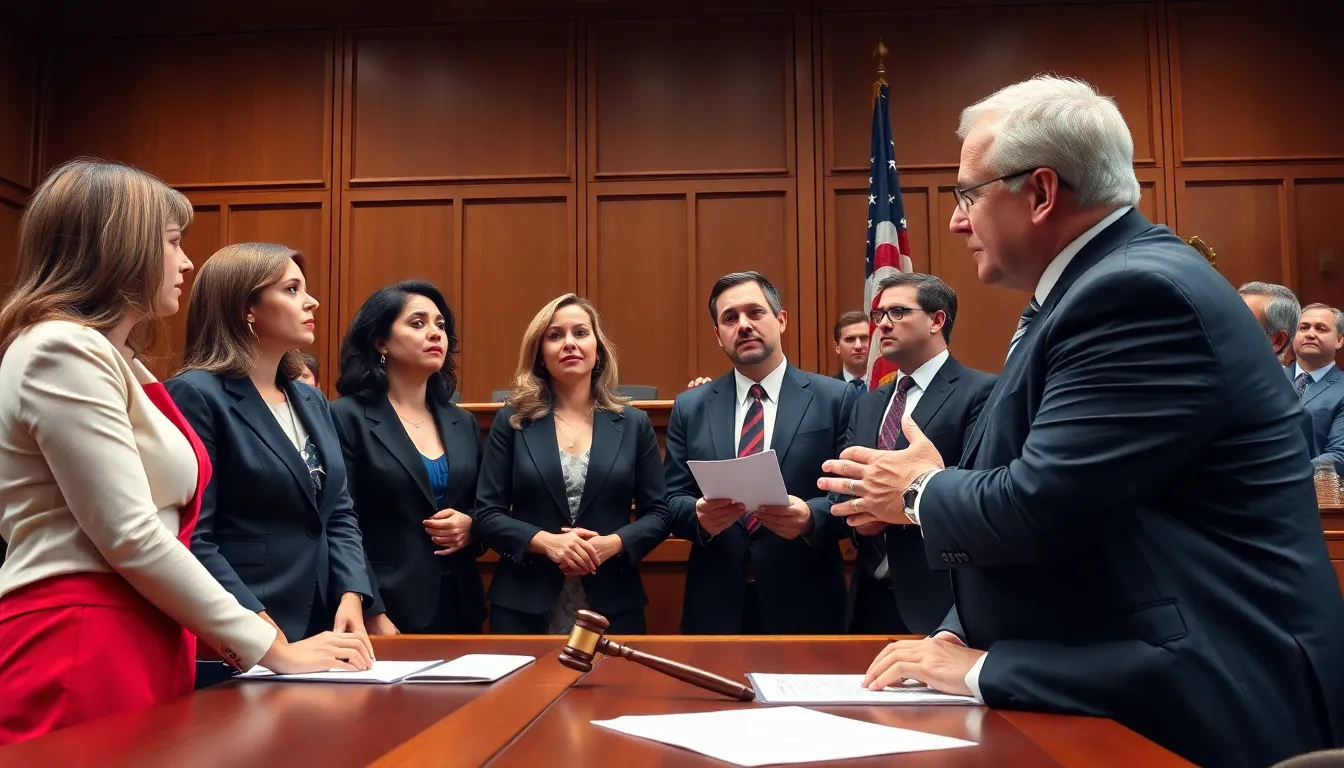
Key players in the drive social media lawsuit include social media companies, plaintiffs, and their legal representatives. These entities play critical roles in shaping arguments and defenses.
Social Media Companies’ Defense
Social media companies often claim they can’t be held liable for user-generated content. Considering this, they argue that users bear responsibility for what they post. They also emphasize the measures they take to moderate content. Compliance with legal regulations is a priority for these companies. Defense strategies include pointing to the robust terms of service users agree to when joining the platforms. Establishing this framework helps them maintain that users understand their rights and obligations.
Plaintiffs’ Arguments
Plaintiffs argue that social media companies have a duty to prevent harmful content. They highlight instances of defamation, copyright infringement, and privacy violations. Claims often center on the companies’ failure to adequately monitor and remove objectionable material. Research shows that negligence in these cases can substantially impact individuals and brands. Plaintiffs assert that social media companies contribute to the spread of misinformation and harm by allowing certain content to circulate unchecked. Emphasizing these points reinforces the legal accountability that plaintiffs seek in these ongoing lawsuits.
Legal Framework Surrounding The Case
The legal framework for drive social media lawsuits involves multiple layers of laws and regulations. Courts often invoke existing defamation laws when assessing claims involving false statements made on social media platforms. Copyright laws apply to disputes over unauthorized use of creative content, impacting both individual users and brands.
Influencers navigating endorsements must consider the Federal Trade Commission (FTC) guidelines. Transparency in sponsorships aligns with regulatory expectations and reduces risks of legal action. Legal representatives emphasize the importance of compliance with advertising laws to avoid misunderstandings and potential liability.
Privacy concerns emerge in many social media-related lawsuits. Users often claim breaches of their rights when personal information is shared without consent. Compliance with privacy regulations like the General Data Protection Regulation (GDPR) influences how companies handle user data and protect user rights.
Social media companies argue they should not be liable for user-generated content, citing Section 230 of the Communications Decency Act. This section generally provides immunity for platforms, but exceptions exist, specifically related to federal criminal law and intellectual property claims. The balance between protecting free speech and holding platforms accountable for harmful content remains a contentious topic in litigation.
As these cases evolve, courts are interpreting laws in ways that adapt to the digital age. Court rulings may set precedents guiding future legal practices in the social media arena. Legal professionals encourage proactive measures, including clearer user agreements and improved content moderation policies, to mitigate potential liabilities.
The landscape of drive social media lawsuits continues to change, shaped by technology and societal expectations. Stakeholders in this landscape include not only the companies and users but also the legal systems that govern their interactions. Each legal ruling influences the ongoing dialogue about responsibility, accountability, and user rights in an increasingly digital world.
Impact On Users And Society
The impact of drive social media lawsuits on users and society is extensive. Legal disputes stemming from social media interactions alter how individuals engage with platforms. Understanding legal implications becomes crucial for users as awareness of potential risks increases.
Privacy violations attract significant attention in lawsuits. Many individuals face repercussions for sharing personal information without consent, highlighting the importance of safeguarding sensitive data. Courts are beginning to prioritize user privacy, setting precedents that influence how social media companies manage user information.
Defamation claims also shape user behavior. Individuals must consider their online statements carefully, as even casual comments can lead to legal action. This increased scrutiny fosters a culture of caution, changing the way users communicate publicly.
Social media companies face pressure to implement stricter content moderation policies. The responsibility to address harmful content remains under debate, pushing platforms to balance free speech rights with the obligation to maintain a safe environment. Increased scrutiny prompts companies to refine their content guidelines and take action against violators.
Influencers particularly feel the pressure of regulatory compliance. Transparency in endorsements is essential to avoid legal consequences and maintain trust with their audience. Many influencers invest time in understanding Federal Trade Commission (FTC) requirements to navigate potential liabilities effectively.
Organizations utilizing social media for marketing encounter challenges related to copyright claims. Unauthorized use of creative content can result in costly litigation, prompting businesses to establish clear policies on content ownership. The risk of legal action highlights the need for comprehensive education on copyright laws among marketers.
Ongoing lawsuits emphasize the interconnectedness of users and platforms. Legal battles serve as a reminder that social media interactions carry inherent risks, motivating users and companies to stay informed about their rights and responsibilities. As the legal landscape evolves, society continues to adapt to the implications of drive social media lawsuits.
The drive social media lawsuit phenomenon illustrates the intricate relationship between users and platforms in today’s digital landscape. As legal challenges arise from online interactions, awareness of rights and responsibilities becomes crucial. Social media users must navigate a complex web of defamation, copyright, and privacy laws while understanding the implications of their actions.
With courts increasingly holding platforms accountable, the need for clear content guidelines and responsible moderation practices has never been more pressing. Influencers and brands must prioritize transparency in their communications to mitigate risks. As the legal framework continues to evolve, staying informed is essential for anyone engaging in social media, ensuring they can enjoy its benefits while minimizing potential legal pitfalls.